
Multifamily
Scaling Through Stability, Cash Flow, and Strategic Expansion
As my rental portfolio and BRRRR projects grew, I reached a point where I wanted more stability between closings. Flips were profitable, and wholesaling created strong, fast income—but both were transactional. What I needed next was consistent cash flow that supported my business during the natural gaps between deals.
Multifamily became the answer.
Why I Chose Multifamily for the Next Stage
My introduction into multifamily wasn’t driven by theory or speculation. It was driven by practicality—reliable cash flow between closings. I wanted income that wasn’t dependent on whether a flip was finished or a wholesale assignment was ready to close.
At the same time, I saw how multifamily provided:
- multiple streams of income under one roof,
- reduced vacancy risk,
- more predictable cash flow,
- and a natural path to scaling.
The transition made financial sense and aligned with where I wanted my business to go.
The First Multifamily: A Duplex in a Strong College Market
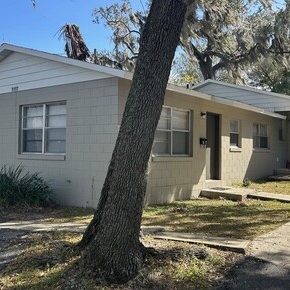
The opportunity that opened the door was a duplex in a college town—an ideal entry point into multifamily. College markets offer something unique: predictable demand. Students graduate, new students arrive, and units rarely sit vacant for long.
The property itself was a smart, manageable first step:
- Two units, two streams of income
- One side already occupied
- The other side ready for improvements and tenant placement
- Steady rental demand due to the nearby university
It was exactly the type of asset that provided stability while I continued working on flips, wholesales, and other projects.
Numbers That Made Sense
The property was acquired for $160,000, and each unit offered a strong rent potential:
- $800 per unit, or
- $400 per room in each of the 2 bed / 2 bath layouts
One side needed TLC, but nothing outside my range of experience. Light renovations increased rent potential and made the unit more appealing to student tenants. The already-occupied unit provided immediate income, while the other became a value-add opportunity.
This combination—income now, improved income later—made the duplex a strong, low-risk acquisition.
Property Management: Systems Over Stress
One key decision I made early was hiring a professional property management company.
They handled:
- tenant screening,
- leasing,
- maintenance coordination,
- and day-to-day communication.
This wasn’t about saving time—it was about building a portfolio that could scale. Having management in place ensured the asset operated smoothly and positioned me for growth without creating a second job.
The Lesson That Changed How I Viewed Real Estate
This duplex taught me one of the most important truths about multifamily:
Scaling is easier when multiple units exist under one roof.
Instead of managing two separate single-family homes, I managed one building with two income-producing units. One roof. One set of systems. One set of maintenance variables.
The efficiency was undeniable.
It showed me that multifamily wasn’t just a good idea—it was a scalable model that supported long-term wealth creation.

How Multifamily Expanded My Vision
Purchasing this duplex strengthened my confidence in moving further into multifamily investing. It proved that the systems I had built—deal sourcing, renovation management, tenant placement, and financial evaluation—translated perfectly into larger structures.
It also confirmed two things:
- I wanted more multifamily assets.
- I had the capability and discipline to scale them.
From this point forward, multifamily became not just another strategy, but a strategic pillar in my overall investment business.